Choosing a home in Southampton is not just about square footage or finishes. In the Hamptons, architectural style shapes how you move through the day, how you entertain, how much upkeep you take on, and even what approvals you may need down the road. If you are weighing a purchase, sale, or design direction, understanding how these homes actually live can help you make a smarter decision. Let’s dive in.
Why architectural style matters in Southampton
Southampton sits within a broader Hamptons landscape that has been shaped by early colonial settlement, summer-colony traditions, and mid-century modern design. That mix creates a market where historic cottages, classic shingle houses, modern farmhouses, and glass-forward contemporary homes can all feel at home, but for very different reasons.
Style here is also practical. Southampton’s architectural guidelines were created to guide new construction and alterations, and the town connects historic preservation with continuity, an attractive built environment, and residential property values. In real terms, that means style influences not only aesthetics, but also renovation planning, maintenance expectations, and long-term appeal.
Shingle style: the classic Hamptons language
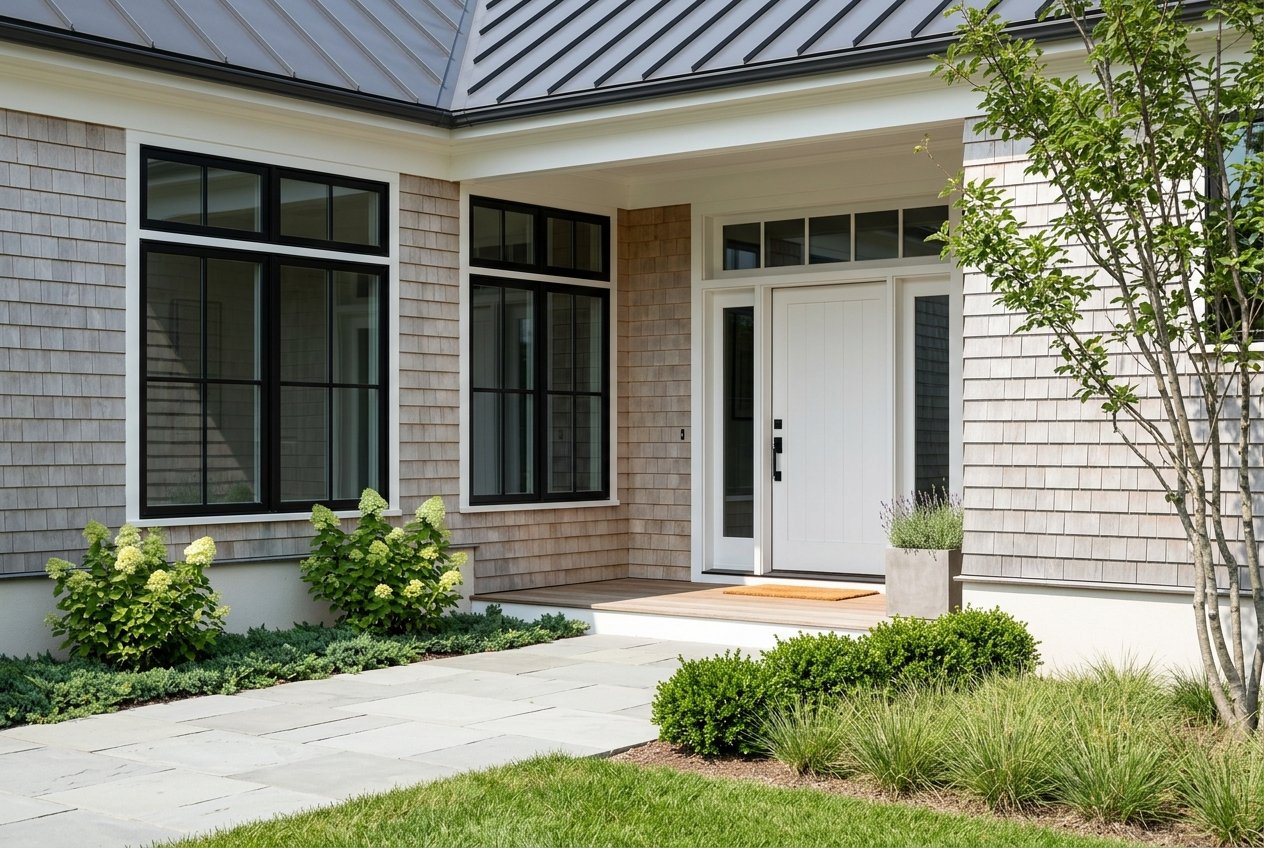
Shingle style is the look many people picture first when they imagine the Hamptons. It emerged in the late 19th century and is known for continuous shingle cladding, open plans, porches, and irregular rooflines. In Southampton, the local design vocabulary often includes wide porches, asymmetry, gambrel roofs, Palladian windows, classical columns, and a strong horizontal feel that suits the coast.
How shingle homes live
A shingle-style house often feels relaxed and connected to its setting. Porches, main living spaces, and outdoor areas tend to flow together, which supports entertaining and easy indoor-outdoor use.
That layout can work especially well if you picture weekends with guests, multigenerational gatherings, or long summer afternoons that move from the kitchen to the porch to the lawn. In many of these homes, the property is part of the living experience, not just scenery outside the window.
What to consider with upkeep
Wood shingles need regular care in a coastal environment. Research cited in the report notes that shingles should be weatherproofed so they do not bleach out and deteriorate, which matters in a place exposed to salt air and changing weather.
For buyers and owners, that means the timeless look comes with exterior maintenance. If the property is in a historic district or tied to landmark review, visible changes may also require added planning.
Modern farmhouse: easygoing and current
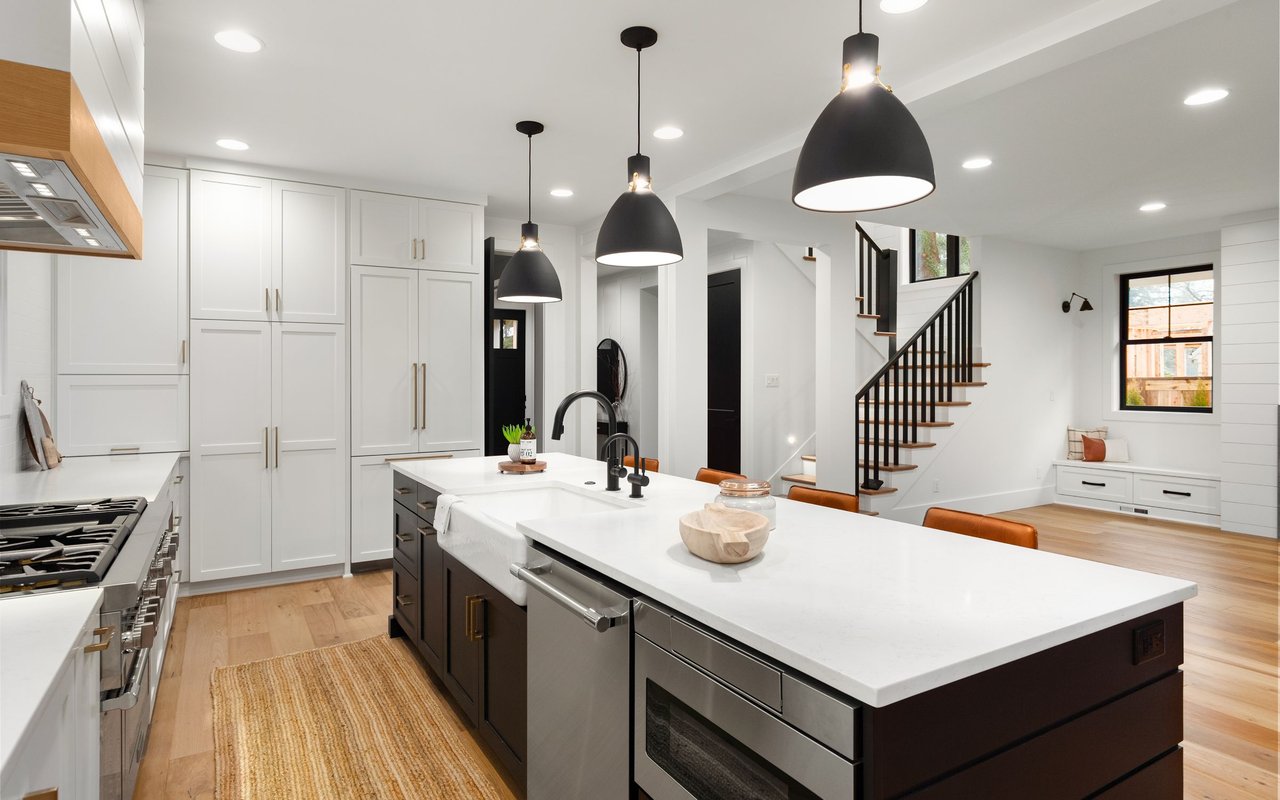
Modern farmhouse is not a historic East End original, but it has become a familiar part of the newer Hamptons housing mix. Today’s version usually blends simple rural-inspired forms with modern comfort, using clean lines, neutral palettes, exposed beams, shiplap, open shelving, and updated finishes. In some Hamptons interpretations, the look shifts more contemporary with black accents, glass, chrome, and steel.
How modern farmhouse lives
This style often feels approachable and functional from day one. Big kitchens, open gathering areas, and practical circulation can make it one of the easiest formats for both seasonal use and full-time living.
If you want a home that feels polished without being formal, modern farmhouse tends to deliver that balance. It usually softens the transition between casual daily life and more styled entertaining.
What to consider over time
Compared with older historic homes, farmhouse details are often simpler to maintain. The larger question is whether the design feels restrained and regionally grounded, or overly tied to a trend cycle.
That matters for resale. A cleaner, less literal interpretation is more likely to age well than a version built around highly recognizable trend features.
Glass-and-steel contemporary: light, views, and site
Contemporary Hamptons homes often focus on geometry, openness, and materials like glass, steel, cedar, limestone, and concrete. Across examples in Sagaponack, Amagansett, and East Hampton, a few themes repeat: open plans, walls of glass, courtyards, pools, and minimalist interiors.
How contemporary homes live
These homes are usually the most view-driven of the major styles. They can feel bright, dramatic, and highly connected to the landscape, especially when the lot offers privacy, screening, and strong solar orientation.
For many buyers, this creates a clean, resort-like experience. Rooms often feel calm and expansive, with outdoor living integrated into the daily routine rather than treated as a separate zone.
What to consider with performance
A glass-heavy home depends on strong detailing. The research report notes that windows account for 25% to 30% of residential heating and cooling energy use, and east- and west-facing glass can contribute to glare and unwanted summer heat gain.
In practice, that makes window performance, shading, and orientation especially important. A contemporary home can be stunning, but it tends to ask more from the design and siting than a more enclosed traditional house.
Historic cottages: scale, charm, and sensitivity
Historic cottages connect to the Hamptons’ earlier vernacular traditions and summer-colony era. East Hampton’s Ocean Avenue cottages are an important reference point for that history, and Preservation Long Island also notes a 19th-century timber-frame cottage relocated from Montauk in the Brooks-Park complex. These homes are typically smaller in scale and more intimate than later estate properties.
How historic cottages live
A cottage often feels cozy, human-scaled, and rooted in place. Instead of oversized rooms and broad open plans, you are more likely to find a home that emphasizes porches, gardens, and proximity to village life.
That charm can be a major draw, but it usually comes with tradeoffs. You may have less storage, less flexible entertaining space, and a more compartmentalized layout than in newer construction.
What to consider with approvals and coastal planning
Historic cottages are the most likely of these styles to involve preservation review. Southampton requires a Certificate of Appropriateness for exterior work on landmark or historic-district properties, and nearby East Hampton also reviews design compatibility for historic landmarks and districts.
Coastal planning matters too. With the South Fork’s long coastline, flood and storm-surge considerations are part of the architecture conversation, particularly for properties in Special Flood Hazard Areas where additional requirements may apply.
How to match style to your lifestyle
In Southampton, the best architectural fit often comes down to how you want to live, not just what photographs best. A home may be visually striking, but if it does not support your routines, guest patterns, or appetite for upkeep, it may not feel right over time.
Here is a simple way to think about the four major styles:
- Shingle style works well if you want a classic Hamptons identity, easy indoor-outdoor flow, and a house that feels rooted in local tradition.
- Modern farmhouse suits buyers who want comfort, openness, and a current look that feels casual and usable.
- Glass-and-steel contemporary appeals if you value light, views, minimalist design, and strong connection to the site.
- Historic cottage fits those drawn to intimacy, character, and a smaller-scale home with a deeper sense of age and setting.
What sellers should keep in mind
If you are selling in Southampton, architectural style is part of the property’s market positioning. Buyers are not simply comparing bedroom counts. They are comparing how a house feels, what kind of ownership experience it suggests, and whether the architecture matches the site.
That is where presentation matters. A classic shingle home may benefit from marketing that highlights porches, landscape connection, and timeless local detail, while a contemporary property may need sharper emphasis on light, privacy, materials, and orientation. In either case, the strongest results usually come from matching the home’s architectural story to the right buyer profile.
The lasting Hamptons takeaway
The Hamptons does not run on one single look. Its appeal comes from a layered architectural story where classic shingle houses, historic cottages, modern farmhouses, and contemporary homes each offer a distinct way of living.
In Southampton, the smartest question is often not which style is most popular. It is whether the home’s scale, materials, setting, and maintenance profile align with the way you want to live now and over the long term.
If you are evaluating a Southampton property through that lens, the right guidance can make the process far more strategic. For tailored insight on Hamptons homes, architectural positioning, and discreet buying or selling opportunities, connect with Lawrence Boal Group.
FAQs
What is the most classic architectural style in Southampton?
- Shingle style is widely seen as the classic Hamptons look, with wood shingles, porches, asymmetry, and rooflines that feel well suited to the coastal setting.
How do modern farmhouse homes live in the Hamptons?
- Modern farmhouse homes usually offer open kitchens, practical circulation, and an easy mix of casual and polished spaces that work well for seasonal or year-round use.
What should buyers know about contemporary glass homes in Southampton?
- Contemporary glass-heavy homes often feel bright and view-focused, but they rely heavily on strong siting, solar orientation, shading, and window performance.
Are historic cottages in Southampton harder to update?
- Historic cottages can involve more planning because exterior changes on landmark or historic-district properties may require review, including a Certificate of Appropriateness in Southampton.
Why does architectural style affect resale in the Hamptons?
- Style influences buyer expectations around layout, maintenance, setting, and long-term appeal, so it plays a major role in how a property is positioned and received in the market.