If you are buying in the Hamptons with rental income in mind, it is easy to focus on the headline appeal and miss what really drives results. In Southampton and the broader Hamptons, rental potential is shaped by timing, local rules, property fit, and operating costs just as much as by location alone. When you evaluate a home through that lens, you can make a smarter decision about both lifestyle use and income potential. Let’s dive in.
Start With The Hamptons Rental Reality
The Hamptons is still a summer-first rental market, with Memorial Day through Labor Day forming the core season and July and August bringing the strongest demand. That seasonality matters because your income window is concentrated, not spread evenly across the year. A property that misses the key booking period can lose a meaningful share of its annual rental opportunity.
Serious renters often begin shopping in February and early March. In practical terms, that means a home should be permit-ready and market-ready well before late spring. If you plan to buy and rent quickly, your timeline matters almost as much as the property itself.
The market is also less standardized than many buyers expect. Traditional full-summer stays have become less common, with more renters looking for two-week and month-long options. That shift makes it even more important to evaluate whether a specific property fits current demand in its exact pocket of the Hamptons.
Focus On Southampton Rules First
Before you estimate income, confirm that the property can be rented under Town of Southampton rules. The town requires a rental permit for any home being rented, and the current minimum stay is 14 days. Rentals shorter than that are treated as transient rentals and are not allowed.
This point is critical because legal eligibility is not something you can fix with marketing alone. The town also states that a permit cannot be bypassed by advertising or showing a home for rent before the permit is in place. If a property is not compliant, projected rental revenue may not be realistic.
You should also know that rental permits are valid for two years and are not transferable to a new owner. If you buy a property, you cannot assume the seller’s permit carries over. That means permit timing should be part of your purchase planning from the start.
Account For Permit Timing
Southampton says the permit process usually takes about 1 to 3 weeks during most of the year and about 2 to 4 weeks during the busy summer period. That timeline can affect your first season of rental income, especially if you are buying close to peak demand.
Because renters often start their search in late winter and early spring, waiting too long can narrow your opportunity. A strong rental property that is not ready to market at the right time may still underperform in its first season. In this market, timing is part of the asset.
Evaluate The Micro-Market, Not “The Hamptons”
One of the biggest mistakes buyers make is treating the Hamptons like a single rental market. In reality, different areas attract different renter preferences, price points, and stay patterns. Rental potential should be judged by micro-market fit, not by a broad regional average.
Recent reporting describes the Hamptons as a set of distinct audiences. Southampton Village, Sag Harbor, Bridgehampton and Sagaponack, Montauk, and Shelter Island all tend to attract different kinds of seasonal demand. That means the right house in the wrong submarket may not perform as well as a better-matched property nearby.
For example, Southampton Village often aligns with classic summer demand and multi-generational use patterns. Sag Harbor tends to attract renters who value walkability and a more social village setting. Bridgehampton and Sagaponack often appeal to privacy-oriented renters looking for estate-style properties, while Montauk has drawn younger share-house and surf-oriented demand.
When you evaluate rental potential, ask a simple question: Who is the most likely renter for this home in this exact location? If the answer is unclear, the income story may be less reliable.
Match The Home To Today’s Renter
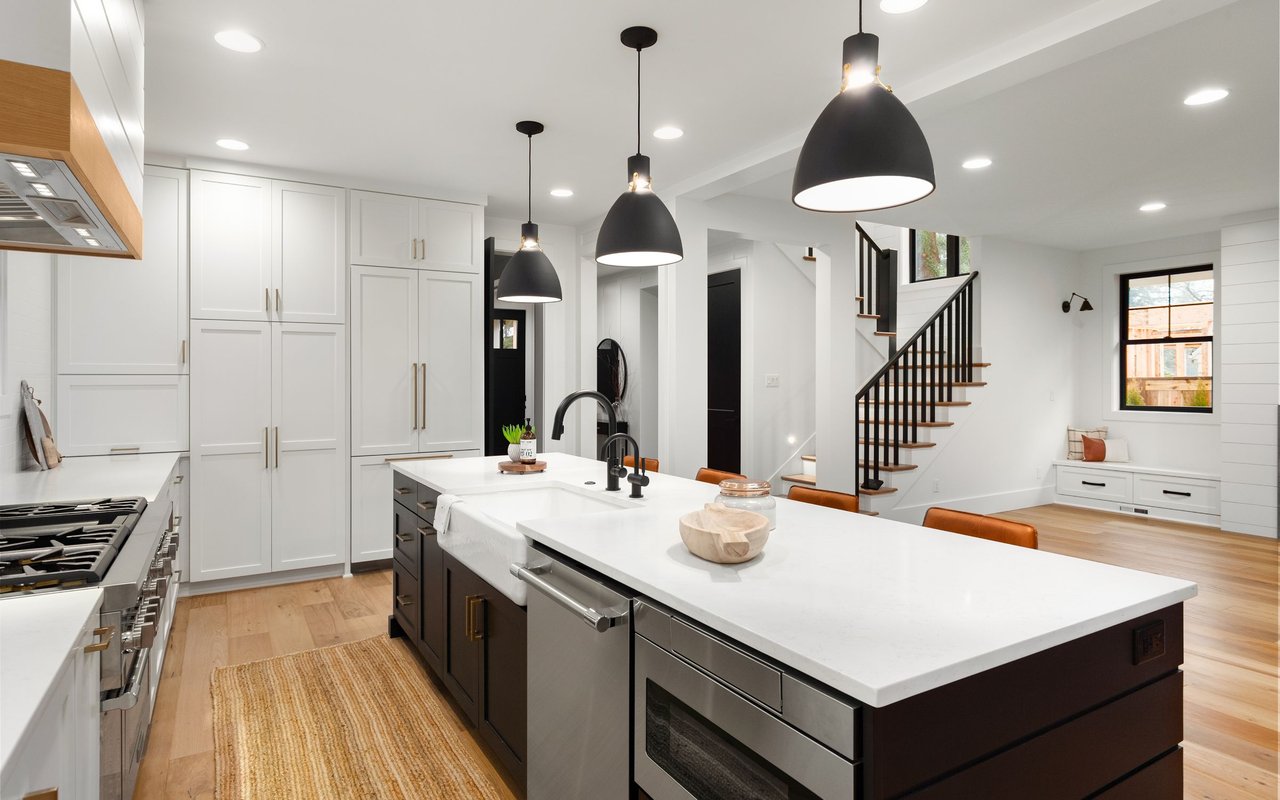
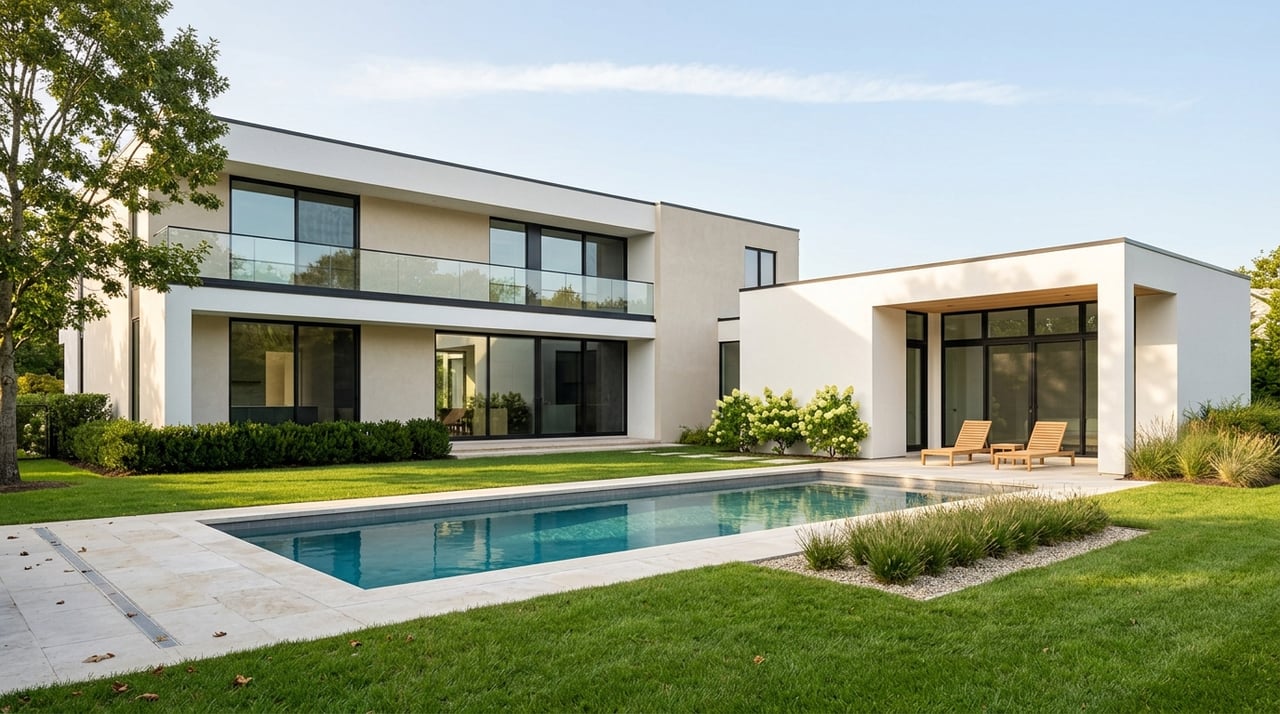
In the current market, condition and amenities can matter as much as, or more than, pure size. Recent local reporting suggests that renovated homes with pools are renting first. Renters are also prioritizing proximity to village centers, practical access to beaches, and features that support the way they actually use the Hamptons today.
Other sought-after traits include heated pools, at least three bedrooms, high-speed internet, newer construction, open layouts, and modern finishes. These are not minor extras. In a high-value market, they often shape whether a home feels competitive when renters compare several options.
This is why square footage alone is not enough. A larger home with dated interiors or a weaker layout may lose ground to a smaller property that feels easier, fresher, and more aligned with current expectations.
Features That Can Support Rental Demand
When comparing homes, look closely at whether the property offers features renters are already responding to:
- A pool, especially a heated pool
- Updated interiors and modern finishes
- Reliable high-speed internet
- At least three bedrooms
- Open, functional living spaces
- Convenient beach or village access
- A newer or recently renovated overall feel
The goal is not to chase every possible amenity. It is to understand whether the home has a clear and compelling use case for its likely renter audience.
Underwrite Income With Realistic Costs
Gross rental income can look attractive on paper, but net performance is what matters. In Southampton and Suffolk County, you should model expenses carefully before deciding a property has strong rental potential.
Suffolk County states that short-term lodging of less than 30 days is subject to a 5.5% occupancy tax, and the rule applies to residences and tourist homes, not only hotels and motels. New York State also says that, effective March 1, 2025, state and local sales tax applies to short-term rental occupancy, and a guest generally remains taxable until reaching 90 consecutive days of occupancy.
Those tax rules can affect pricing, margins, and bookkeeping. They should be part of your underwriting from day one, not added later as an afterthought.
Common Costs To Include
A realistic rental analysis should include more than mortgage and taxes. Depending on how you plan to use and manage the property, common costs may include:
- Insurance
- Utilities
- Cleaning and turnover costs
- Maintenance and repairs
- Management fees
- Commissions
- Legal and professional fees
- Mortgage interest
- Property taxes
- Advertising and marketing costs
If the home will be a mixed-use property for both personal enjoyment and rental activity, expense allocation may be more complex than it appears at first glance. That is another reason to evaluate the property as an operating asset, not just a summer retreat.
Consider Distribution And Booking Strategy
In the Hamptons, many rentals are secured through real estate professionals rather than only through major consumer platforms. Some of the best opportunities are never broadly marketed. For buyers, that means rental potential is tied not only to the home itself, but also to how realistically it can be positioned in the market.
A polished property with the right features may still need strong local representation and smart timing to reach the right audience. In a market where data can be incomplete and brokerage-specific, local insight matters. The quality of your pricing, presentation, and distribution strategy can influence whether a property books early or sits longer than expected.
A Simple Framework For Evaluating Rental Potential
If you want a practical way to compare properties, use this five-part framework:
Legal fit
Confirm the home can meet Southampton rental permit rules and the 14-day minimum stay requirement.Timing
Ask whether the property can be permit-ready and market-ready before the late-winter and early-spring shopping window.Renter fit
Match the layout, location, and experience of the home to the likely renter profile in that micro-market.Competitive features
Evaluate whether the property offers the amenities and condition renters are favoring now, such as a pool, updated interiors, and reliable internet.Net economics
Model the real costs, taxes, and operating expenses so you can judge actual income potential instead of relying on headline revenue.
This framework helps you move past broad assumptions. It also gives you a cleaner way to compare two attractive homes that may have very different rental outcomes.
Why A Strategic Review Matters In Southampton
Hamptons ownership costs remain high, and that raises the standard for what renters expect. Miller Samuel reported a Hamptons single-family median sales price of about $1.94 million in the second quarter of 2025, with the Southampton submarket at about $2.15 million. In a market like this, renters often expect strong finishes, comfort, and a clear lifestyle value.
That is why rental potential is rarely about one headline feature. The strongest candidates are the homes where legal eligibility, seasonal timing, renter appeal, and operating math all line up. When they do, a property can support both personal use and a more disciplined investment case.
If you are considering a Southampton or Hamptons purchase with seasonal income in mind, a careful review upfront can help you avoid expensive assumptions. The right guidance can clarify not just what a property is worth today, but how it may perform in the seasons ahead. To discuss a purchase through that lens, connect with the Lawrence Boal Group.
FAQs
What is the minimum rental period for a Southampton rental property?
- In the Town of Southampton, the minimum stay is 14 days, and shorter stays are treated as transient rentals and are not allowed.
Does a Southampton home need a rental permit before it can be marketed for rent?
- Yes. The Town of Southampton requires a rental permit for any home being rented, and the town states the permit cannot be bypassed by advertising or showing the home for rent before it is in place.
When should you prepare a Hamptons property for summer rental demand?
- Serious renters often begin shopping in February and early March, so a property should ideally be permit-ready and market-ready before spring.
What features improve rental potential in the Hamptons?
- Recent reporting points to renovated condition, pools, heated pools, at least three bedrooms, high-speed internet, open layouts, modern finishes, and proximity to village centers or beaches.
Why does micro-market fit matter for Hamptons rental income?
- Different parts of the Hamptons attract different renter preferences, so a home’s rental potential depends on how well it matches the audience for its specific area.
What taxes should you consider for Southampton short-term rental underwriting?
- Suffolk County says stays of less than 30 days are subject to a 5.5% occupancy tax, and New York State says state and local sales tax applies to short-term rental occupancy effective March 1, 2025, with taxability generally continuing until 90 consecutive days of occupancy.