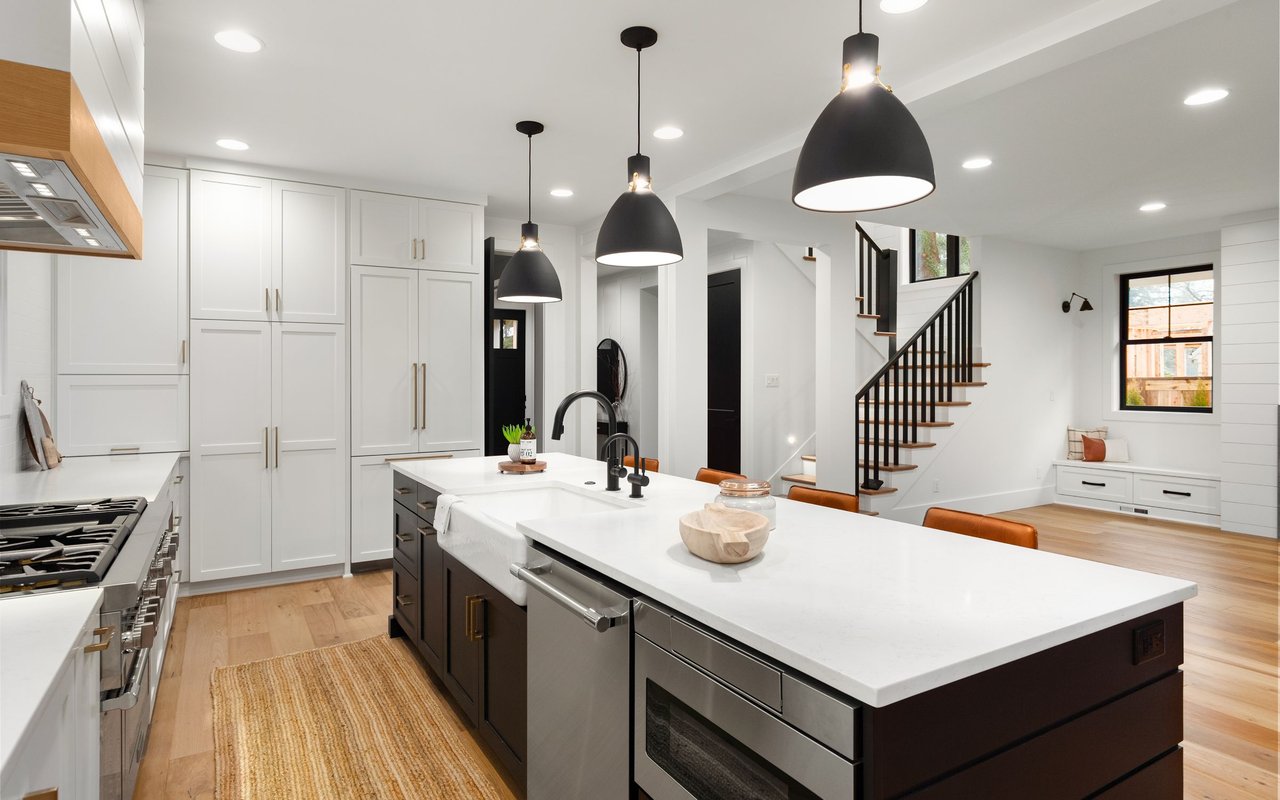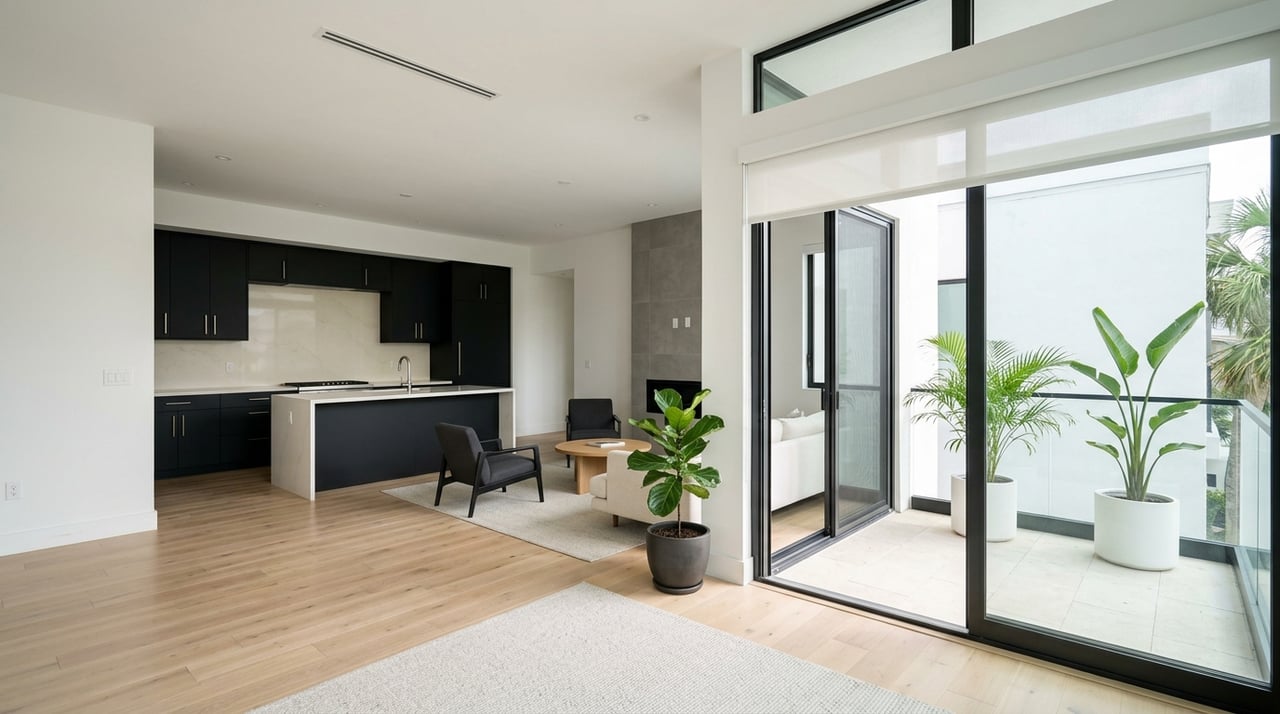
If you split your time between states or simply want an easier way to enjoy Florida seasonally, one question tends to shape the whole search: should you buy a condo or a house? It is a practical decision as much as a lifestyle one, especially when you are thinking about upkeep, insurance, rental flexibility, and how much responsibility you want while you are away. This guide walks you through the tradeoffs that matter most for seasonal living near the University of South Florida in Hillsborough County, so you can make a more informed choice. Let’s dive in.
Condo vs house for seasonal living
For many seasonal buyers, the choice comes down to convenience versus control. A condo often appeals when you want a more hands-off ownership experience. Under Florida condo law, the association is responsible for common-element maintenance, repair, replacement, and related common expenses.
That setup can make condo ownership easier when you are out of town for long stretches. In contrast, a single-family house usually gives you more autonomy over the property, but it also places more of the upkeep burden on you. As the NAIC homeowners insurance guide explains, coverage for a house is built around the dwelling and its contents, and vacation homes often require planning that reflects part-time occupancy.
Why condos often feel easier
A condo can be a strong fit if you value lower day-to-day involvement. Because the association typically handles many exterior and common-area responsibilities, you may have fewer tasks to manage from a distance. That can be especially helpful if your Florida home sits empty for part of the year.
The tradeoff is that condo ownership comes with shared governance. You are buying into a community structure with budgets, rules, records, and assessments. That means your experience depends not only on the unit itself, but also on how the association is run.
Condo benefits for seasonal owners
- Less direct responsibility for many exterior and common-area issues
- Potentially simpler ownership while you are away for extended periods
- A more structured framework for maintenance and repairs
- Often a good match for buyers who prioritize convenience
Condo tradeoffs to weigh
- Recurring association dues
- Possible special assessments for major repairs or underfunded reserves
- Less individual control over some property decisions
- Use and rental restrictions may apply based on condo documents
Why houses offer more control
A house usually appeals when privacy, flexibility, and direct control matter more to you. You can often make decisions more independently, and you are not relying on a condo association for many of the property’s day-to-day needs. For some seasonal buyers, that autonomy is worth the added responsibility.
Still, ownership is more hands-on. A house generally requires a broader maintenance plan, especially in Florida, where storm preparation, insurance, and part-time occupancy need to be thought through carefully. The Florida CFO’s consumer insurance overview notes that standard homeowners policies do not cover flood damage, which is an important point for any buyer considering a seasonal property.
House benefits for seasonal owners
- More control over the property
- Greater privacy and autonomy
- Potentially more flexibility in how you use the home and land
- Often a better fit if you want a more personalized ownership experience
House tradeoffs to weigh
- More direct responsibility for maintenance and storm planning
- Broader insurance needs
- Less built-in support when you are away
- HOA rules may still apply in some communities
Seasonal ownership costs to compare
The purchase price is only one part of the equation. For seasonal buyers, the most important cost differences often show up after closing.
First, taxes can work differently than some buyers expect. According to the Florida Department of Revenue, the homestead exemption applies to a property that is your permanent residence. Seasonal or vacation properties generally do not qualify unless they are truly your permanent home.
That matters because qualifying homestead property may receive meaningful tax benefits, including Save Our Homes protection that limits annual assessed-value growth to 3 percent or CPI, whichever is less. If the property is not homestead, annual assessed-value increases are capped at 10 percent instead.
Cost categories to review before you buy
- Property taxes and whether the home qualifies as a permanent residence
- Insurance costs based on condo or house ownership
- Association dues for condos
- Possible special assessments for condos
- Exterior maintenance, storm prep, and repair costs for houses
- Flood insurance if needed
Insurance looks different for condos and houses
Insurance is one of the clearest differences between the two ownership styles. Condo unit owners in Florida typically need an HO-6 policy, which focuses on personal property, liability, and certain interior structural items. The Florida CFO also notes that condo unit owner policies must include at least $2,000 of loss-assessment coverage, with a deductible no greater than $250.
For a house, insurance is broader because the policy is built around the dwelling itself. That usually means a larger coverage scope and a different cost profile. It also means you should think carefully about vacancy periods, storm exposure, and flood risk.
Flood coverage is a separate issue for both property types. Standard homeowners policies do not cover flood damage, and flood insurance through participating communities usually comes with a 30-day waiting period, according to the Florida CFO’s consumer guidance.
Storm planning matters in Florida
For any seasonal property in Florida, storm readiness should be part of your buying process from the start. The Florida disaster planning guide advises residents and seasonal visitors to determine whether they are in a low-lying area at risk of flooding and to have a hurricane plan in place before the season begins.
If you are buying a condo, ask how hurricane protection is handled. Under Florida law, the declaration or board authority may assign responsibility for installation, maintenance, repair, replacement, and related costs. For a house, you will usually be coordinating more of that planning directly.
Rental flexibility is never automatic
Many seasonal buyers want the option to rent out the property when they are not using it. That can be a smart goal, but in Florida, rental flexibility is highly document-driven.
For condos, lease approvals and transfer-related records are part of the association framework, and the governing documents may include rental restrictions. The Florida DBPR condo FAQs make it clear that buyers should review the declaration, bylaws, and rules before assuming they can rent on a preferred schedule.
Houses may offer more flexibility in theory, but that is not guaranteed either. Under Florida HOA law, homeowners associations can amend governing documents to prohibit or regulate certain rental agreements of less than six months and to prohibit renting more than three times in a calendar year, subject to the statute’s limits.
Watch the tax and rental connection
If you are thinking about both tax benefits and rental income, review those plans together. The Miami-Dade Property Appraiser warns that owners who claim homestead on a primary residence may risk homestead fraud if they rent the property or part of it through platforms such as Airbnb.
Even though that guidance is from Miami-Dade, the broader lesson applies well beyond one county. If a property is part of your seasonal strategy, your tax status and rental plans should align before you move forward.
Condo due diligence deserves extra attention
If you lean toward a condo, building condition and reserve funding deserve close review. Florida’s post-Surfside rules require certain buildings to complete milestone inspections and structural reserve studies. According to the DBPR condo inspection guidance, buildings that are three stories or higher must undergo a Structural Integrity Reserve Study, and inspection reports and reserve studies must be part of the association’s official records and made available to potential buyers.
That means you should ask for those documents before making an offer. For a seasonal buyer, they can reveal whether the building is being maintained proactively and whether future costs may be on the horizon.
Smart condo questions to ask
- What are the current monthly dues?
- Have there been any recent or planned special assessments?
- Can I review the reserve study and inspection records?
- What are the rental rules and approval requirements?
- How is hurricane protection handled?
House due diligence should focus on operations
If you prefer a house, your due diligence should focus on how ownership will work when you are not in residence. Start by confirming whether the home is in an HOA and, if so, what the rules say about rentals, exterior maintenance, and access. A house is not automatically free from association-level restrictions.
You should also evaluate the practical side of seasonal use. Think through how the home will be monitored, maintained, and prepared for storms during vacancies. That planning often matters as much as the property itself.
Smart house questions to ask
- Is the home in an HOA, and what restrictions apply?
- What insurance coverage will I likely need?
- Is flood insurance worth adding based on location and exposure?
- What is the storm-prep plan when I am away?
- Who will oversee routine maintenance during vacant periods?
Which option is right for you?
If your priority is simplicity, a condo is often the better fit for seasonal living. The association structure can reduce the number of moving parts you manage personally, which is appealing when Florida is only one part of your yearly routine.
If your priority is privacy, control, and a more independent ownership experience, a house may be the better match. Just be ready for the broader maintenance, insurance, and planning responsibilities that come with it.
The right answer depends on how you want to live, how often you will be away, and how much hands-on involvement you want. If you are weighing seasonal options in South Florida with a more strategic lens, Lawrence Boal Group can help you evaluate the ownership structure, carrying costs, and use-case details that matter before you buy.
FAQs
Should you buy a condo for seasonal living in South Florida?
- A condo is often a strong choice if you want a more low-maintenance ownership experience and expect to be away for extended periods.
Should you buy a house for seasonal living in South Florida?
- A house may be the better fit if you want more privacy, more control over the property, and greater independence in how you use it.
Do seasonal Florida properties qualify for homestead exemption?
- Generally, no. The homestead exemption is tied to a property that is your permanent residence, not a seasonal or vacation home.
Do Florida condo owners need different insurance than homeowners?
- Yes. Condo owners typically need an HO-6 policy, while homeowners need broader dwelling coverage, and neither standard policy automatically covers flood damage.
Can you rent out a condo or house used for seasonal living in Florida?
- Possibly, but rental flexibility depends on the condo documents or HOA rules, so you should review those materials carefully before buying.
What should seasonal condo buyers review before making an offer in Florida?
- Condo buyers should review dues, assessments, reserve studies, inspection records, rental rules, and hurricane responsibility details before moving forward.